
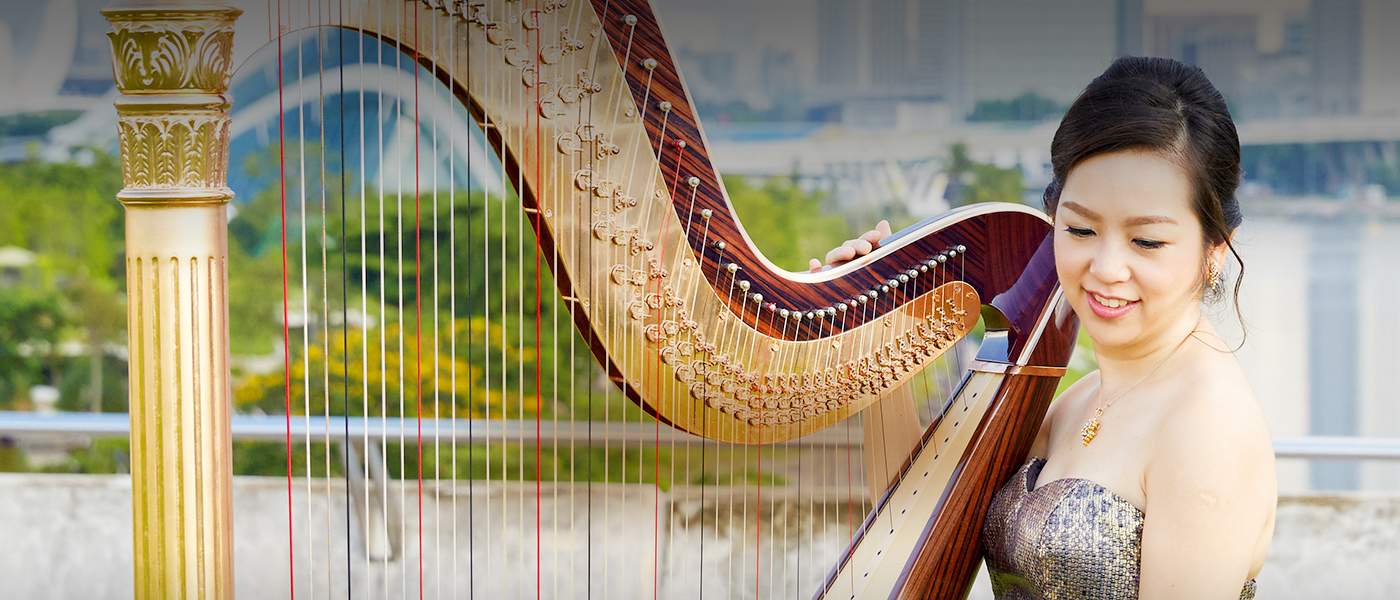
How to Prepare for Your First Harp Recital
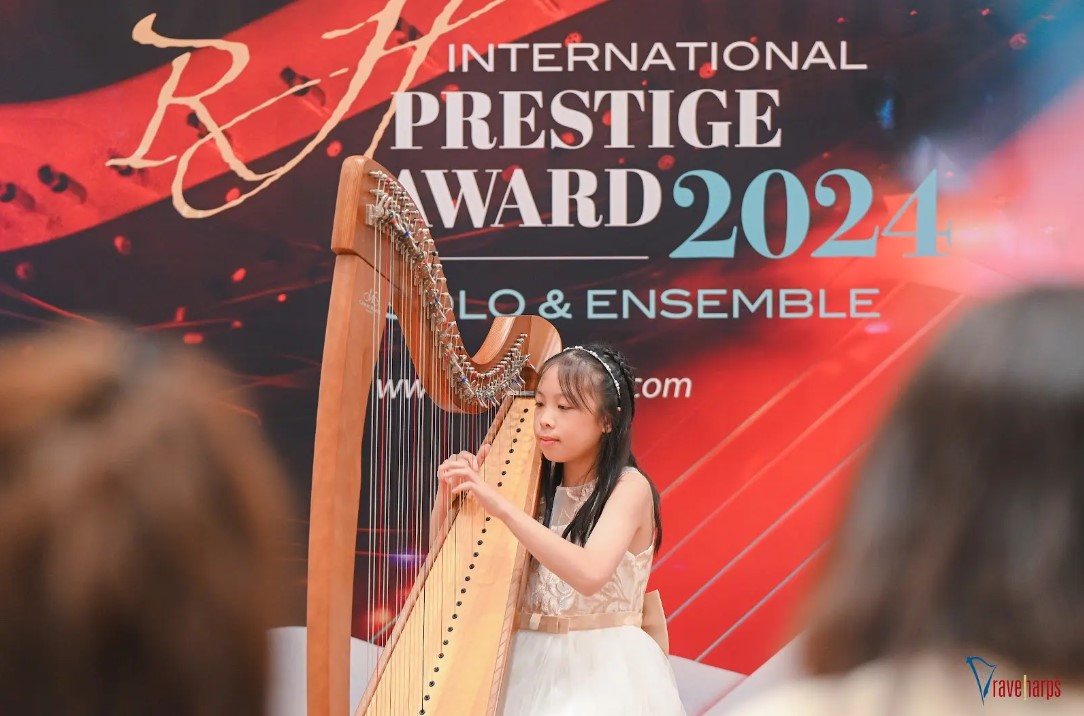
For many harp students, the first recital is an exciting and meaningful milestone. It marks a moment where weeks or months of practice come together in a live performance, allowing students to share their music with others.
A recital is more than just playing a piece on stage. It helps students build confidence, gain performance experience, and develop a deeper connection with the music they are learning. Each performance also encourages students to refine their focus, musical expression, and sense of achievement as they continue growing in their musical journey.
In this guide, inspired by the experience of a harp artist and soloist, Katryna Tan, we explore how students can approach their first recital with confidence and clarity.
Selecting the Right Repertoire
Choosing the right music is one of the most important steps when preparing for a harp recital. The selected pieces should match the student’s current skill level while still offering a small challenge to encourage growth.
A good recital programme often balances technical ability with musical expression. Pieces that are too difficult may create unnecessary stress, while pieces that are too easy may not showcase the student’s progress.
It is also helpful to include contrasting styles or moods. For example, a programme might feature one lyrical piece alongside another that is more rhythmic or lively. This variety keeps the recital engaging for both the performer and the audience.
Structuring Rehearsals
Preparing for a recital requires focused and organised practice sessions. Instead of simply playing pieces from beginning to end, students benefit from breaking their practice into smaller, purposeful segments.
One helpful approach is to practise challenging sections first, when concentration is highest. Difficult passages can be repeated slowly until they feel comfortable and controlled.
As the recital date approaches, students should also practise full run-throughs of their pieces. These run-throughs help build consistency and allow the student to experience how the music flows from start to finish.
Memorisation vs Sheet Music
Some recital performances are played from memory, while others allow students to perform with sheet music. Both approaches can work well, depending on the student’s comfort level and the difficulty of the repertoire.
For pieces that are memorised, students can strengthen memory by:
- repeating small sections regularly
- visualising the music away from the instrument
- practising slowly and thoughtfully
Even when performing from memory, many students feel reassured knowing that sheet music can serve as a backup during practice.
Managing Performance Anxiety
It is completely natural for students to feel nervous before a recital. Performing in front of others is a new experience for many beginners.
Simple techniques can help students stay calm and focused before stepping onto the stage. These include deep breathing, visualising a successful performance, and practising under simulated performance conditions.
Instead of worrying about audience reactions, students are encouraged to focus on communicating the music itself. When attention stays on the music, the performance often feels more natural and enjoyable.
Stage Presence and Presentation
A recital performance is not only about playing well—it is also about presenting the music with confidence.
Students can develop strong stage presence by practising simple habits such as:
- walking onto the stage calmly
- sitting at the harp with confident posture
- acknowledging the audience before and after playing
Facial expression and body language also play a role in communicating the character of the music. Dressing comfortably and appropriately for the recital helps students feel prepared and confident on stage.
Post-Performance Reflection
After the recital, it is helpful for students to reflect on their performance experience. This reflection allows them to recognise both their successes and areas for improvement.
Students may consider questions such as:
- What parts of the performance felt strong?
- Which sections could be improved next time?
- How did the preparation process help the performance?
Most importantly, every recital should be celebrated as an achievement. Even small milestones deserve recognition, as they represent progress in a student’s musical journey.
Conclusion
A harp recital is an important step in every student’s musical development. It brings together preparation, practice, and artistic expression, allowing students to share their progress and build confidence as performers.
Katryna Tan believes that performance experiences play a vital role in nurturing young musicians. She carefully guides her students through the recital preparation process, helping them develop strong technique and the confidence to express their music on stage.
If you would like to learn more about starting your harp journey, you may also find the Ultimate Guide to Learning the Harp in Singapore helpful. And if you are ready to begin preparing for your own harp recital one day, we warmly invite you to explore harp lessons in Singapore with Katryna Tan. Get in touch or book a trial lesson to take the first step in your musical journey.