
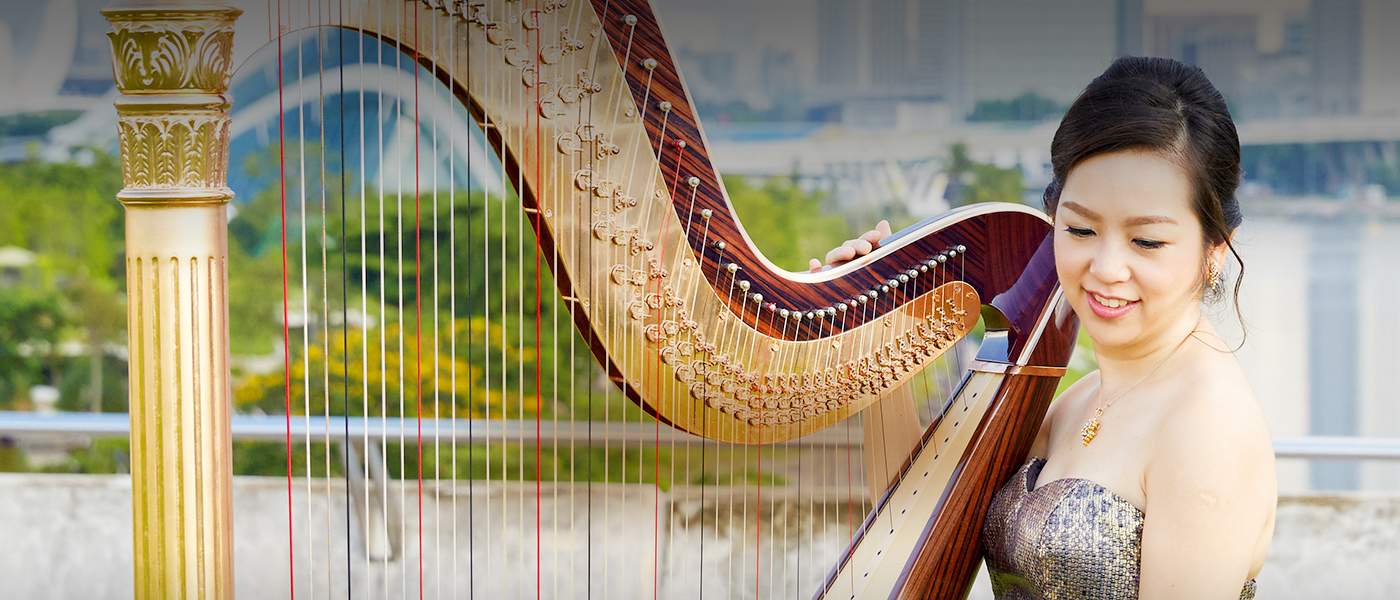
The Art of Musical Expression on the Harp: Beyond Technique
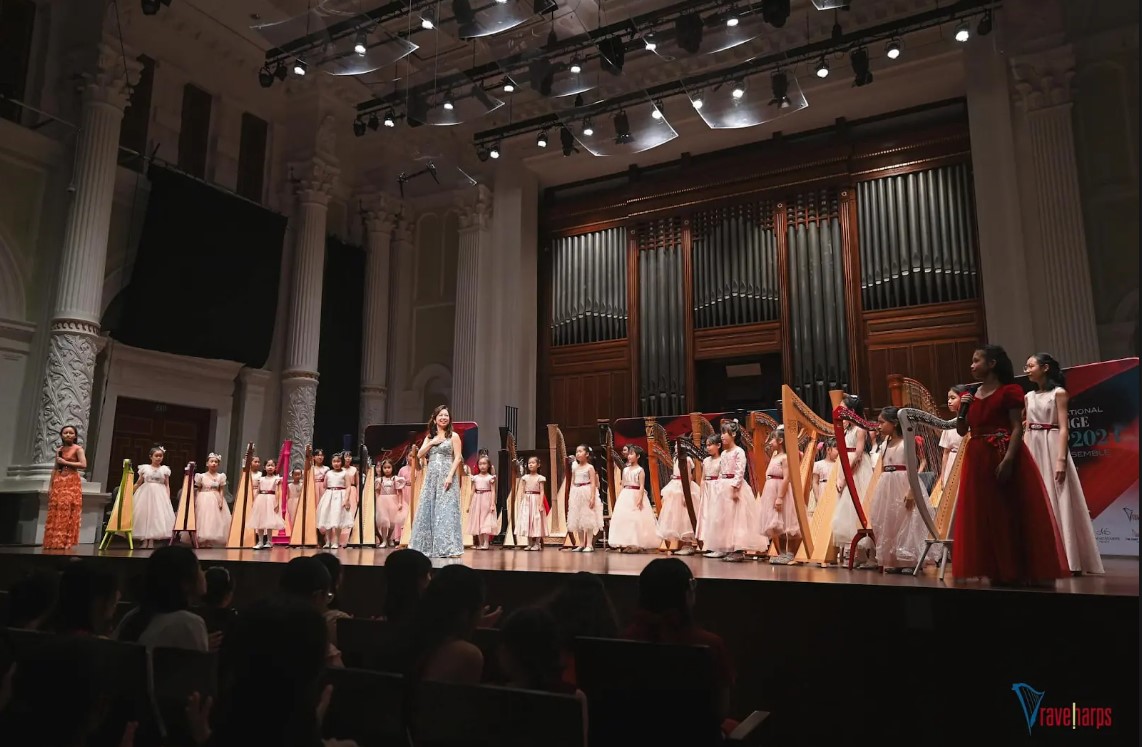
For many harp students, the early stages of learning focus heavily on harp technique. Students learn how to position their hands, place their fingers correctly, read music, and play notes accurately. These skills are essential foundations that allow musicians to perform comfortably and confidently.
However, technique alone does not make music captivating. Two harpists may play the same notes perfectly, yet one performance may feel deeply moving while the other sounds mechanical. The difference lies in musical expression.
Artistic expression is what brings harp music to life. It transforms notes on a page into a story, an emotion, or a vivid musical scene. True musicianship comes from shaping sound with intention, colour, and feeling, allowing the harp to communicate something meaningful to the listener.
Understanding Musical Expression on the Harp
Musical expression, often referred to as musicality, is the ability to shape music in a way that communicates feeling and meaning. For harpists, this involves much more than simply playing the right notes at the correct tempo.
Expression transforms music into storytelling. Instead of thinking about individual notes, musicians begin to think about phrases, moods, and character within a piece.
In musical interpretation:
- notes form phrases
- phrases form musical sentences
- sentences create a larger musical story
When harpists understand this structure, their playing becomes more natural and expressive, almost as if the instrument is speaking through the music.
Musical expression on the harp is often shaped through three important elements:
- phrasing – how musical lines rise and fall
- dynamics – changes in volume and intensity
- tone colour – the character and warmth of the sound
Together, these elements allow musicians to “paint” music with colour and emotion rather than simply executing notes.
Techniques That Support Expression (Beyond Basic Technique)
Mastering Dynamic Control
Dynamics play a powerful role in shaping the emotional narrative of a piece. Changes in volume help guide the listener through moments of tension, relaxation, and contrast within the music.
Soft playing can create intimacy and delicacy, while stronger dynamics can add excitement and drama. A gentle pianissimo passage might feel personal and reflective, while a controlled forte can bring intensity to a climactic moment.
Harpists also learn to shape music using crescendo and decrescendo, gradually increasing or decreasing the sound to build emotional movement. These dynamic changes prevent music from sounding flat or mechanical.
Practising dynamic contrast within a single phrase helps musicians develop expressive control. Over time, students learn how to adapt their sound projection depending on the performance space, whether playing in a small studio or a large concert hall.
Articulation and Musical Phrasing
Musical phrasing can be compared to spoken language. Just as a speaker emphasises certain words and pauses naturally between sentences, musicians shape phrases to communicate meaning.
Different articulation styles help define the character of the music:
- Legato creates smooth, connected lines
- Staccato produces short, detached sounds
- Portato offers a gentle balance between the two
Harpists often imagine breathing through a phrase, much like a vocalist shaping a musical line. This helps create a natural flow in the music.
Thinking of phrasing as storytelling rather than simple note execution allows musicians to highlight important moments in a piece. By recognising where to “speak,” “pause,” or “emphasise,” harpists bring clarity and direction to their interpretation.
Pedalling and Tonal Colour (For Pedal Harpists)
For pedal harpists, pedalling is not only a technical mechanism, it is also an expressive tool.
Pedal changes allow harpists to adjust harmony and tonal colour in subtle ways. When used thoughtfully, these changes can shape the emotional atmosphere of the music.
Advanced players learn to:
- create smooth harmonic transitions
- avoid audible pedal noise
- plan pedalling for expressive effect
Enharmonic pedal changes can also create subtle shifts in tonal colour. These nuances help experienced harpists add depth and sophistication to their performances.
Resonance, Damping, and Hand Movement
Another expressive aspect of harp playing involves controlling resonance and clarity.
Because harp strings continue to vibrate after being plucked, musicians must carefully balance sustain and damping. Allowing notes to resonate can create warmth and richness, while damping certain notes helps maintain clarity in complex passages.
Subtle adjustments in hand position and finger movement can also influence tone quality. Skilled harpists learn to shape the sound through refined control rather than exaggerated gestures.
These small details contribute greatly to the personality and colour of the music.
Emotional Interpretation
Technical accuracy alone cannot fully communicate the meaning of a piece. Emotional interpretation is what allows music to connect with listeners.
When approaching a new piece, harpists often consider the intent of the composer. What emotion does the music convey? Is it joyful, reflective, dramatic, or mysterious?
Music can reflect a wide range of emotions, including happiness, sadness, tension, or surprise. By understanding the emotional character of a piece, students can shape their phrasing and dynamics more thoughtfully.
At the same time, performers also bring their own perspective and experiences into the interpretation. This balance between respecting the composer’s intent and expressing personal emotion allows each performance to feel unique.
Listening and Analysis
One of the most effective ways to develop musical interpretation is through careful listening.
Harp students often benefit from studying recordings of experienced performers. Listening closely to professional interpretations helps students understand how phrasing, dynamics, and tone colour can vary between musicians.
By analysing these recordings, students can:
- observe different approaches to the same repertoire
- identify expressive techniques used by master harpists
- gain inspiration for their own musical ideas
This process encourages students to think critically about how music can be shaped and communicated.
Bringing Personality to Performance
As musicians grow more confident, they begin to develop a personal musical voice.
Personality in performance does not mean ignoring the score. Instead, it involves expressing the music in a way that feels natural and authentic while still respecting the composer’s intentions.
Musicians may highlight certain phrases, shape dynamics creatively, or emphasise emotional contrasts within a piece. These choices help create memorable performances that engage listeners.
Performance is ultimately a form of artistic communication. After hours of preparation and practice, the stage becomes the place where the musician shares their musical story with the audience.
Common Challenges and How to Overcome Them
Many students struggle to develop musical expression because they focus too heavily on technical accuracy. While technique is important, overthinking mechanics can make playing feel rigid.
Another challenge is the fear of experimenting with interpretation. Some students worry about making mistakes when trying new phrasing or dynamic ideas.
To overcome these challenges, musicians can try:
- guided improvisation exercises
- reflective listening during practice
- discussing interpretive ideas with teachers or mentors
These strategies encourage students to explore music more creatively while still maintaining technical control.
Conclusion
Harp technique provides the foundation for musical performance, but it is expression that transforms the harp into a true artistic voice. Through phrasing, dynamics, tonal colour, and emotional interpretation, harpists bring music to life in ways that connect deeply with listeners.
Harp soloist and instructor, Katryna Tan guides her students not only in developing strong harp technique but also in discovering their own musical expression. Inspired by her teaching philosophy, she encourages students to move beyond simply playing notes and learn to communicate music with imagination, emotion, and artistry. Read more in the 3rd Section (Music Artistry) of her book Unleash the Musician in You.
If you would like to explore more about beginning your harp journey, you may find the Ultimate Guide to Learning the Harp in Singapore helpful. And if you are ready to deepen your musical expression, learn with Katryna Tan and discover the beauty of harp performance for yourself.